5 Signs Your Brand's Positioning Is the Bottleneck
Positioning problems rarely announce themselves. They show up disguised as a packaging problem, a distribution problem, a pricing problem, or even a product problem. Brands can spend a year and a lot of cash fixing the symptom while the underlying problem stays exactly where it was.
This is especially common with consumer brands. A product isn't moving, so the team changes the package. Distribution isn't growing, so the team adds another retailer. Margins are getting squeezed, so the team adjusts the price. None of those decisions are wrong on their face, but they can be expensive ways to avoid a more fundamental question: are we positioned to be chosen?
Here are five common signs the positioning itself is the bottleneck. (below)
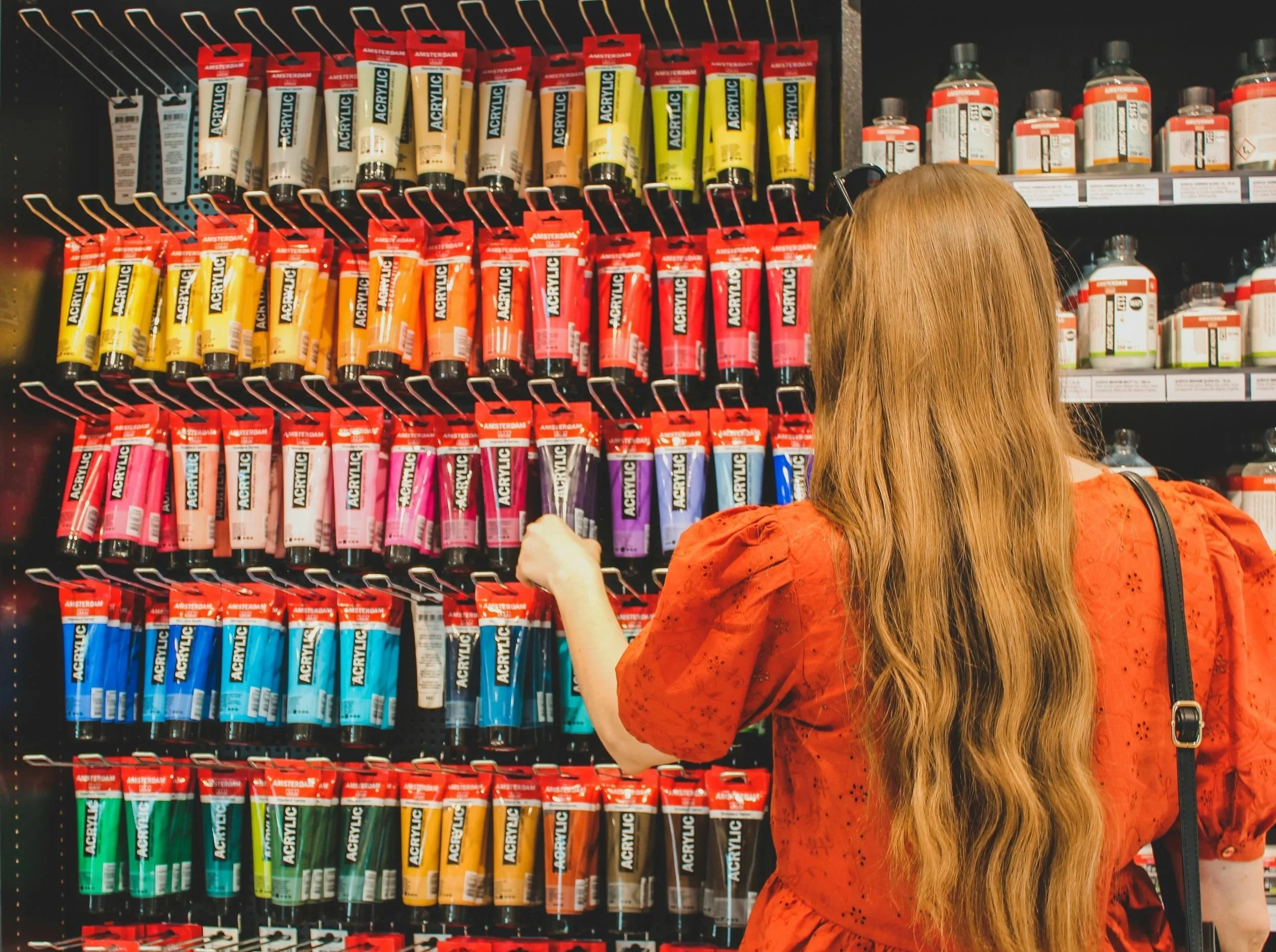
Image thanks to Arpad Czapp
1. You keep getting shelved next to the wrong products
A category manager decides where you sit, and that decision often gets made in seconds based on your front panel. If your better-for-you snack lands in the indulgent aisle, you're competing on a different set of attributes against products with ten times your volume and a fraction of your cost. You're not losing on quality. You're losing because you're being compared to the wrong set.
Where a product gets placed is partly a distribution decision, but it's also a positioning decision. Your packaging, claims, pricing, and visual identity all tell a retailer and a shopper what kind of product you are and what you should be compared with. If that story isn't clear, someone else gets to define your competitive set for you.
The problem isn't that you're on the wrong shelf, it’s that you haven't given anyone a compelling reason to put you on the right one.
2. Trial is fine and repeat is not
Getting someone to try a product and getting them to buy it again are two different marketing problems. If trial is healthy but repeat is weak, the instinct is to blame the product. Sometimes that's right. But before changing the formula, look at the promise you made.
Your packaging may have created an expectation the product didn't fulfill, or it may have generated curiosity without giving the customer a reason to make the product part of their routine. A shopper can think, "That looks interesting," and still have no answer to the question, "Why would I buy that again instead of everything else?"
Trial tells you that something got attention. Repeat tells you whether you gave people a reason to choose you again. When the first is working and the second isn't, positioning deserves a hard look. Product quality could be an issue as well, but that’s for a different post.
3. Your best customers describe you differently than your packaging does
Your customers may understand your positioning better than you do.
Read your last fifty reviews. Look through your customer service messages and social comments. Pay attention to the language people use when they recommend your product to someone else. If customers consistently praise something that isn't prominent on your packaging or website, they've already identified a valuable part of your position. You just haven't caught up.
This is one of the cheapest forms of positioning research available. You don't need a six-figure brand study to discover what your customers think is distinctive about you. You need to pay attention to what people say without being prompted.
The opportunity isn't always to invent a better message. Sometimes it's to recognize the message that's already working and make it easier for everyone else to see.
4. Nobody on your team can answer "Who is this not for?"
"Everyone who eats" isn't a target. Neither is "anyone who cares about quality." I gotta’ say, I’ve been consulting for over a decade now and I’m still shocked at how often I run across this resistance against target markets.
A well-defined position creates a reason for a particular group of people to choose you over the alternatives. That doesn't mean you prevent anyone else from buying your product or service. It means you have to be specific enough that the people most likely to value what you offer can recognize themselves in the proposition.
When targeting the entire world, your branding is too weak to resonate with anyone. The result is messaging that is emotionally irrelevant. It says something for everyone and gives nobody a strong reason to care. Another term for that is a commodity, and you’ll know you’re playing the commodity game when you feel your only way to sell is through discounting.
Specificity isn't exclusion. It's how relevance works and how valuable brands are built.
5. You keep adding SKUs and velocity stays flat
New flavors, formats, and line extensions feel like progress. They're also considerably easier than figuring out why the products you already have aren't moving.
When the position isn't clear, adding SKUs spreads the same demand across more products. You end up with a larger catalog but not a stronger brand. Slow movers consume working capital, complicate operations, take up shelf space, and can eventually put the entire set at risk during a category review.
More products are the right answer when you've established something people want more of. But if velocity stays flat every time you add another SKU, the problem isn't a lack of variety. It's a lack of clarity about why shoppers should choose the brand in the first place.
The cheapest positioning diagnostic
There's a simple exercise I like because it doesn't require a research budget. Ask ten or more customers what they would buy if your brand disappeared tomorrow. Don't tell them which competitors you have in mind, and don't give them a list to choose from. Let them name the alternatives themselves.
Their answers tell you which shelf you actually live on. It's often not the one you designed your brand for. If everyone names products you don't consider competitors, that's useful information. So is discovering that the thing customers value most isn't anywhere on your front panel.
Then, put your packaging next to those specific products and look at the set from a few feet away. Give yourself about three seconds. What gets understood first? What looks interchangeable? What makes one product more compelling than another? Is there an obvious reason someone should choose yours?
Positioning isn't what you believe about your brand. It's the place your brand occupies in a shopper's mind relative to everything else they could buy.
→ Follow the shelf, not the story you tell yourself.
